Micro-Rest Strategies for Sustained All-Day Output
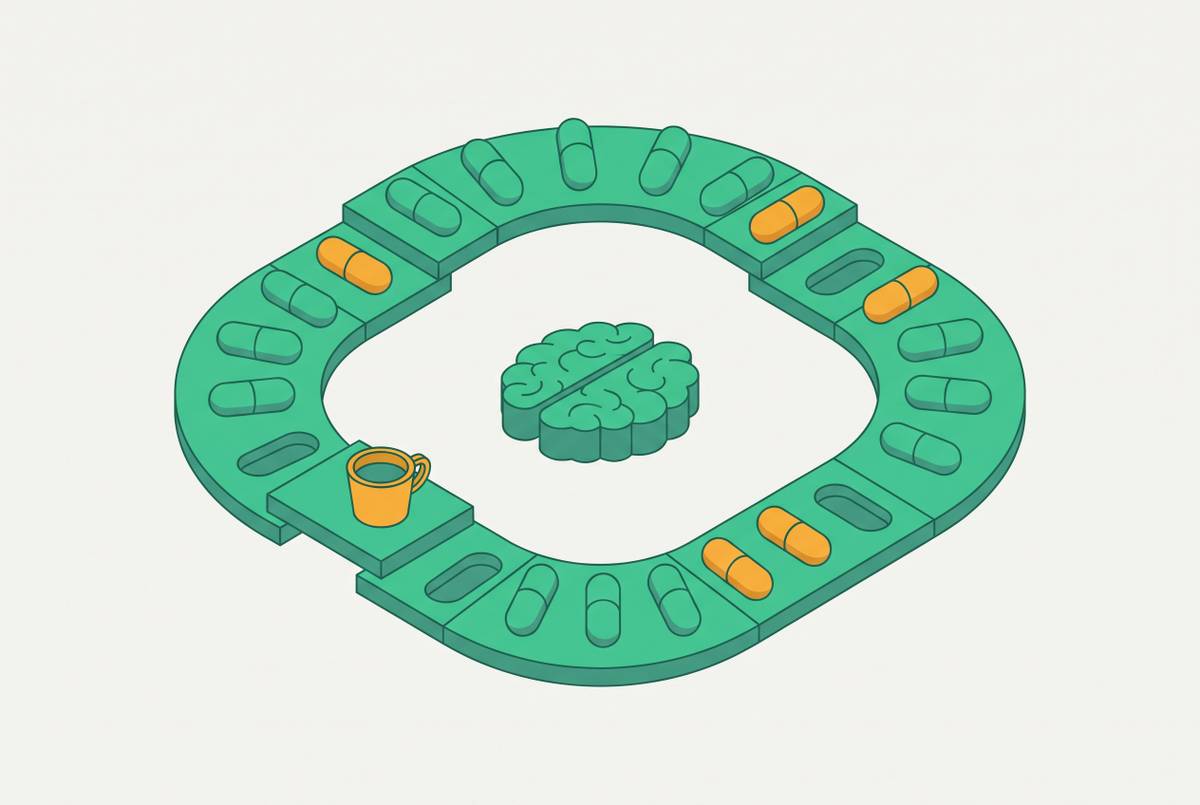
Frequent short breaks prevent mental fatigue better than pushing through to one long recovery.

Micro-rest strategies help people keep working all day by protecting attention before it runs down, instead of leaving them to push through on willpower or caffeine. Magic Mind is one option for daily cognitive support, but research on its ingredients does not show that a finished shot guarantees all-day focus without anxiety or jitters. The stronger foundation is a system of genuine mental breaks, protected sleep, and realistic expectations about what daily compounds can add.
Why sustained cognitive output fails without interruption
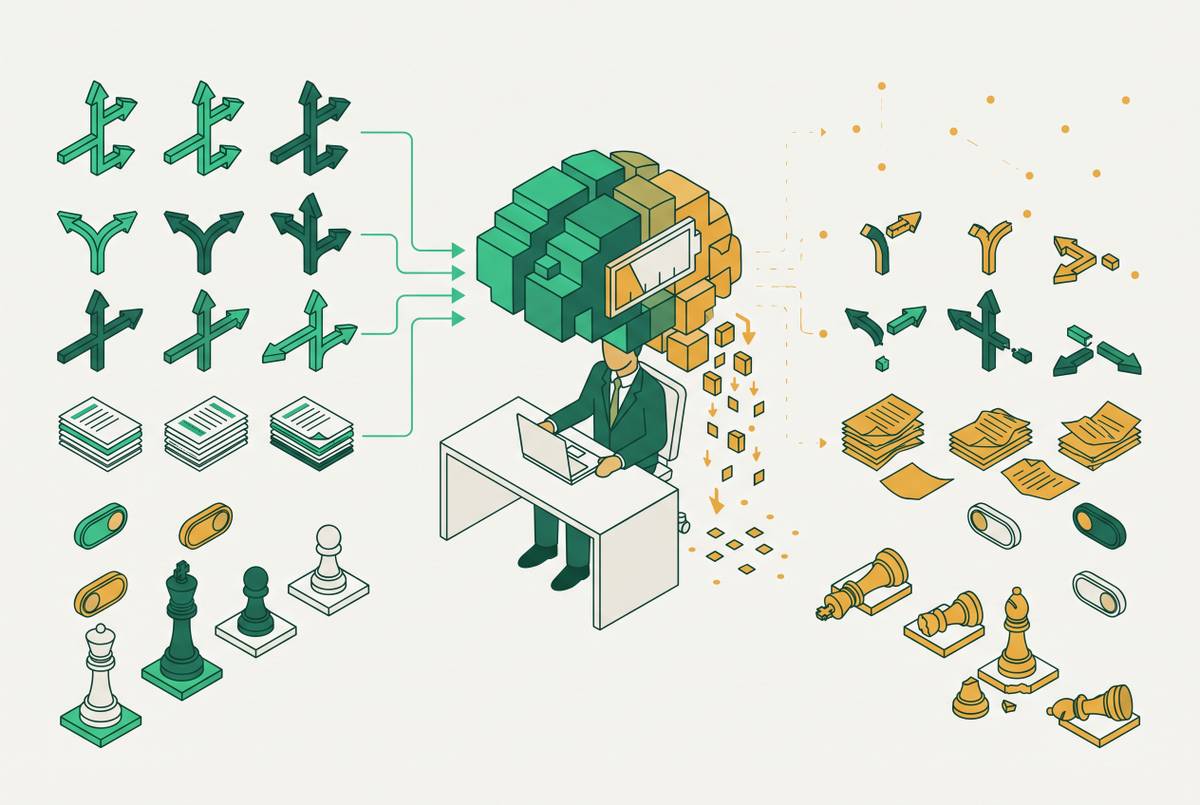
UC Berkeley Executive describes a trap that people often fall into at work. People skip rest because they feel busy, but going without rest adds to the overwhelm that makes stopping seem impossible. Attention Restoration Theory explains why this is more than a scheduling problem. Directed attention, the effort used to hold focus and resist distractions, is a limited resource that drains with prolonged mental work. Rest is therefore a condition of useful effort.
The brain also operates in ultradian cycles of focused energy, so mental resources decline after sustained effort regardless of the stakes. A switch from a document to email does not remove that demand. Instead, moving through messages, meetings, and notifications maintains continuous partial attention, keeping the mind engaged during what looks like downtime. Without genuine interruption, decision-making, creativity, memory consolidation, and emotional regulation suffer.
Why a single long break can't fix what frequent small ones prevent
Saving recovery for one substantial break treats fatigue as a problem to repair later. The difficulty is that attention can already have deteriorated before that break arrives. A traditional break can produce real relief, but its immediate gains may fade when sustained demand resumes. Frequent smaller interruptions address a different problem, which is the buildup of fatigue between opportunities to recover. They help by preventing fatigue, though they do not offer more recovery per minute.
Sharpe, Trotter, and Hale’s 2025 University of Chichester study compared traditional breaks with more frequent micro-breaks among second-year undergraduates. The more frequent interruptions supported more consistent performance over time. Research that pooled dozens of independent study samples and thousands of participants also found that microbreaks led to a significant rise in vigor and a drop in fatigue. However, the overall effect on performance was not statistically significant, and benefits were strongest for tasks with lower cognitive demands. That distinction matters because feeling less depleted is useful, but it is not proof that every difficult task will immediately improve.
What the brain actually does during a micro-rest
Recovery is not one process. The Default Mode Network becomes active when the brain is not focused on a task, helping it integrate information and connect ideas. Sustained focus suppresses that network, while genuine disengagement creates room for creative synthesis. Psychological detachment serves a related purpose by interrupting the work-related stress response. Continuing to think about tasks or monitor notifications can keep that response active even after someone leaves the desk.
Movement also helps by bringing more blood to the brain and stimulating BDNF, a protein that helps with neural growth and cognitive function. Changing how someone breathes can also help with recovery, with no need for equipment. Balban and colleagues’ 2023 randomized controlled trial compared cyclic sighing with mindfulness meditation over one month. The five-minute breathing practice was associated with greater mood improvement and a larger reduction in respiratory rate. These mechanisms explain why a useful micro-rest is defined by what it interrupts and activates.
Which types of micro-rest actually interrupt cognitive depletion
The right break depends on the demand that needs interrupting. Nature exposure engages attention without requiring the same deliberate concentration as screen-based work. Stepping outside between blocks of solo work gives attention that change. Looking at a distant natural scene also changes the distance at which the eyes focus and provides a break from text and notifications.
Movement addresses the physical side of depletion. Shaking out the hands, rolling the shoulders, or walking a short distance can reveal stiffness and create a clear boundary between tasks. Physical activity also engages the blood-flow and BDNF mechanisms that sitting through another screen change does not. For someone whose concentration has come with a fixed posture, this makes movement a different tool from simply closing a document. Even moving for a short time can help with mood, focus, and stress resilience.
After a demanding call, cyclic sighing offers a more contained option. It involves a full inhale through the nose, a second shorter inhale on top, and a slow exhale, repeated three to five times. Releasing the jaw and softening the muscles around the eyes and forehead can address tension that otherwise carries into the next task. These are tools for different contexts. Email, social feeds, and notifications fall outside the same category because they replace one attentional demand with another.
How often and how long: the timing logic behind effective micro-rest
The useful timing principle is to interrupt demand before attention fully depletes. Sharpe, Trotter, and Hale’s 2025 research describes limits on attention well under half an hour in research settings, and notes lapses early in tasks. These findings warn against treating a long uninterrupted stretch as the default that everyone should tolerate. The research does not show that any one break schedule is best for demanding knowledge work.
Moving from one task to the next can prompt a break without tying it to a strict clock. The end of a call or the moment before opening a new email thread can hold a brief pause. After a full cycle of focused effort, a short walk or time outside may fit the recovery need better than a two-minute breathing pause. More taxing tasks may call for shorter, more frequent interruptions, but the optimal dose remains uncertain.
The cortisol-cognition link and why stress management belongs in a micro-rest strategy
Attention loss and stress are not separate drains on the workday. Excessive cortisol can impair the prefrontal cortex and hippocampus, making goal-directed thinking and recovery from cognitive load harder. Over time, chronic stress-driven exposure is associated with reduced neuroplasticity and attentional deficits. This means that managing depletion involves more than giving a tired mind something else to look at. The stress response also needs a chance to subside.
However, lower cortisol does not automatically mean better cognition. The relationship follows an inverted-U pattern, with moderate levels supporting neuronal signaling, synaptic plasticity, and attentional tuning, while excessive levels suppress those functions. Lower cortisol has also been associated with poorer attention in some study populations. Research in military populations has not found cortisol to be a consistent moderator of stress-related cognitive changes. The relationship depends on the task and context.
Breathing, movement, and psychological detachment belong in a micro-rest strategy because they address the stress response as well as the task load. Cortisol regulation is part of the explanation for recovery. But that does not make each pause a measured intervention on hormone levels. The practical aim is to interrupt sustained strain.
What sleep does that no number of micro-rests can replace
Micro-rests manage depletion during waking hours, but they cannot erase sleep deprivation. Sleep loss can impair accuracy even when reaction time is less affected, so speed alone may hide a deficit. Total sleep deprivation consistently makes people less accurate when switching tasks and reduces their cognitive flexibility. It also lowers the brain’s cerebral oxygen supply, harms cerebrovascular reactivity, and changes gene expression and hormone levels. These are deeper constraints than a brief pause can resolve.
Sleep is also an active period of neuroplasticity, supporting learning, memory formation, working memory, and attention. A 2022 eLife study linked increased brain excitability during sleep deprivation with impaired cognitive performance. In other words, the brain that begins the day matters as much as the interruptions built into it. A sleep-deprived person can manage the deficit with breaks, but cannot break their way out of it.
Set work hours and time away from devices help with psychological detachment, which also helps people truly recover during the day. Daytime pauses and deliberate sleep form a daily system whose benefits build together. Neither works as well without the other.
How daily compounds stack with micro-rest to extend attentional endurance
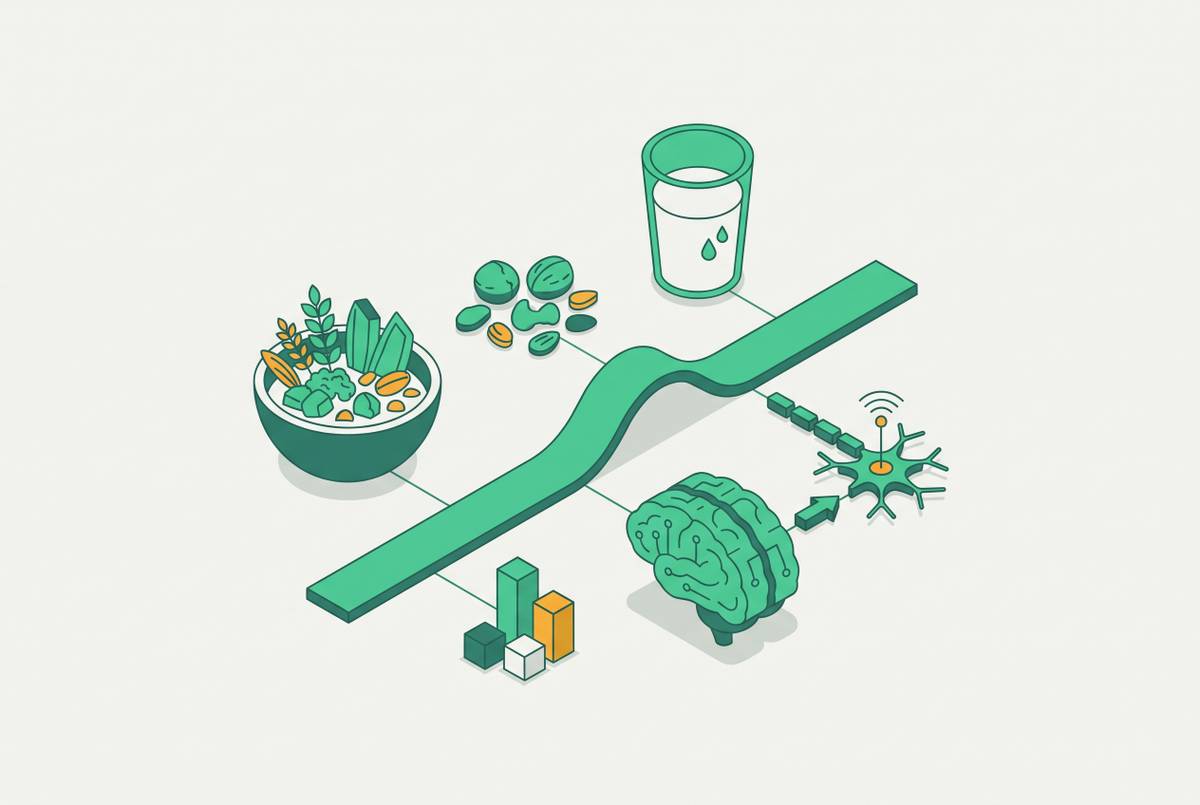
Daily compounds can add to recovery from rest habits, but it matters which effects come right away and which build over time. Matcha has caffeine along with L-theanine, so it differs from caffeine alone while still being a source of caffeine. Rhodiola is described as building fatigue resistance over several days through effects on stress-related neurotransmitter activity. Neither should be confused with the longer time frames attached to memory or neural-growth support. A daily formulation is not a faster version of a break.
Magic Mind combines ingredients including matcha, L-theanine, Lion’s Mane, Bacopa Monnieri, Rhodiola Rosea, and Ashwagandha. Its caffeine-level variants make caffeine exposure a relevant comparison point, but low caffeine and caffeine-free are not interchangeable. For a reader seeking focus without jitters, the useful criteria are caffeine content, ingredient doses, delivery, and whether evidence concerns individual compounds or the finished formulation. The studies described here do not establish a guaranteed anxiety-free or jitter-free result from a nootropic shot. Magic Mind is an option for daily support.
Lion’s Mane illustrates why the timeline matters. Mori and colleagues’ 2009 double-blind randomized controlled trial found that cognitive scores improved after 16 weeks at 3g daily in adults aged 50–80 with mild cognitive impairment. That finding cannot simply be transferred to an immediate all-day focus claim in a different population. Bacopa Monnieri’s memory effects are also cumulative, developing over a 12-week window. Ashwagandha, including KSM-66 at 300–600 mg daily, has been studied for cortisol reduction over weeks of consistent use.
Absorption is another variable because swallowing a compound does not mean it reaches the bloodstream immediately or in a useful amount. Standard oral delivery of ashwagandha and L-theanine can take well over half an hour to reach peak plasma levels after intestinal absorption begins. But a claim about delivery alone does not show that people will focus better in daily life. The credible role for daily compounds is complementary support for fatigue resistance, stress regulation, and cognitive function over time. That role is narrower, and more useful, than a promise of uninterrupted output.
Building a daily system that makes micro-rest the default, not the exception
The gap between knowing about recovery and taking it is a design problem. A pause tied to the end of a call does not require a fresh decision about whether rest has been earned. It already has a place in the day. The most workable habit interrupts attention rather than redirecting it, has a clear transition as its trigger, and is brief enough not to feel costly. This removes some of the resistance that keeps recovery optional.
A shutdown ritual creates psychological distance from work and protects the sleep that consolidates learning. Weekly periods of nature exposure, rest, and social connection allow deeper restoration than workday pauses can provide. If daily cognitive support is part of the system, whether through individual compounds or a formulation such as Magic Mind, its role depends on consistent use and realistic expectations. It does not replace any of those recovery layers.
The payoff is a repeatable pattern that keeps fatigue from becoming the day’s organizing force. Someone who interrupts demand strategically, protects sleep, and uses daily compounds where appropriate is not simply trying harder. They are supporting the brain on which the work depends. Sustained output is a function of system design.